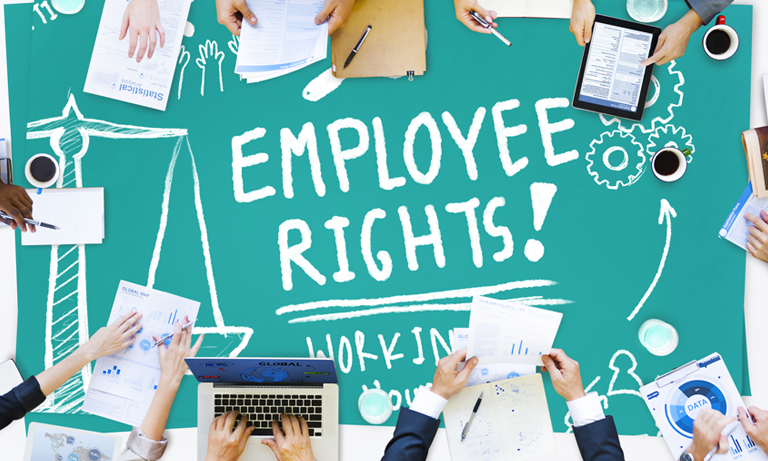
A healthy workplace depends on professional communication, mutual respect, and fair treatment. While disagreements are a normal part of working life, situations involving false statements, bullying, harassment, or damaging workplace behaviour can become much more serious. Employees and employers may need to understand their rights and responsibilities when workplace conflicts begin affecting professional relationships or reputations.
Employment-related disputes can be complicated because several areas of law may overlap. Knowing how to recognize potential concerns and where to find reliable information can help individuals respond more thoughtfully to challenging workplace situations.
When Workplace Statements Become a Legal Concern
Professional reputations can be extremely important. An employee’s career opportunities, relationships with colleagues, and future employment prospects may all be influenced by how others perceive their professional conduct and abilities.
Workplace disagreements sometimes involve statements about an employee or employer that may be inaccurate or harmful. Not every negative comment or criticism constitutes … Read more