
In the fast-moving landscape of consumer technology, products usually follow a predictable life cycle. A device launches to great fanfare, enjoys a brief window of market dominance, and is eventually commoditized by cheaper competitors offering identical specifications. Yet, for nearly two decades, the Apple iPhone has completely defied this economic gravity. Year after year, it maintains massive profit margins, commands unparalleled consumer loyalty, and dominates global headlines with every iterative release.
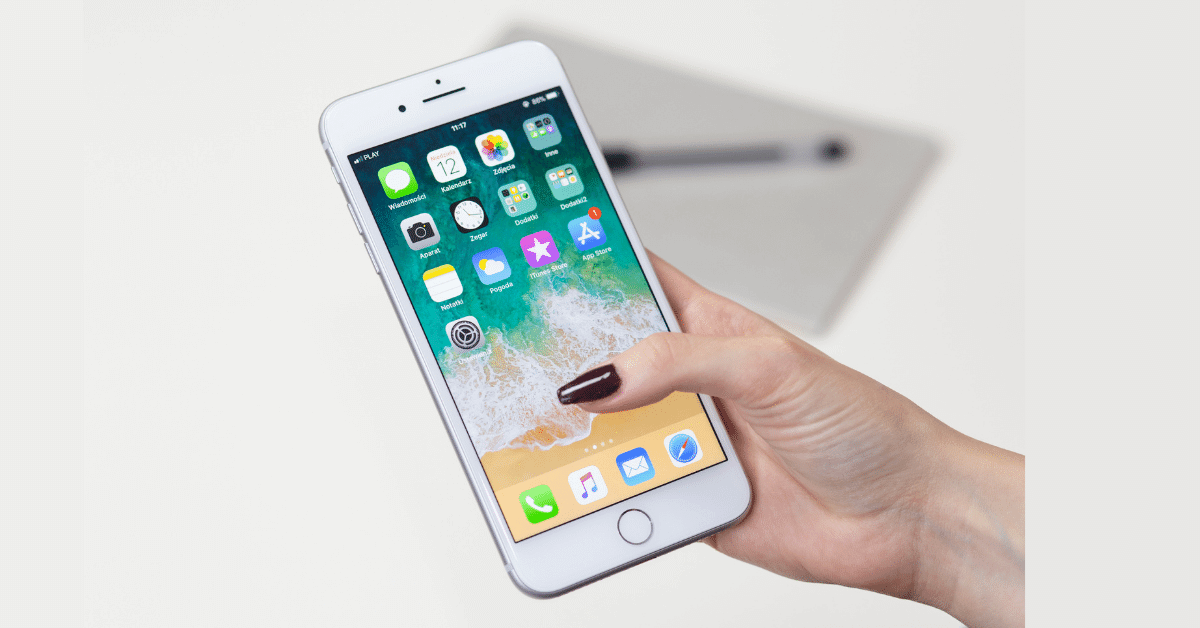
This enduring success is not merely the result of superior hardware engineering or software optimization. The true engine behind the iPhone’s multi-decade dominance is a brilliant, psychological, and meticulously executed marketing strategy. Apple does not market the iPhone as a piece of technology; they market it as a cultural touchstone.
Here is a professional analysis of the core pillars that define the marketing strategy of the Apple iPhone, offering valuable insights for modern brands and entrepreneurs.
1. The Power of Simplicity and Experiential Copywriting
Walk into a traditional electronics store or browse a competitor’s product page, and you will be bombarded by a dense wall of technical specifications. Brands routinely lead their marketing with gigabytes of RAM, megapixel counts, battery milliampere-hours, and specific processor model numbers. Apple takes a completely opposite approach.
Selling Benefits Over Features
Apple understands a fundamental truth about human psychology: the average consumer does not buy technical specifications; they buy the human experience that those specifications enable. Instead of bragging about a complex camera sensor with advanced focal apertures, Apple’s marketing strategy showcases a beautiful, emotional portrait of a family and calls it “Shot on iPhone.” They translate technical jargon into tangible human benefits. A faster processor becomes “more power for your games,” and an advanced glass coating is marketed simply as “durable by design.”
The Minimalist Visual Aesthetic
This dedication to simplicity extends to every visual asset the brand deploys. iPhone advertisements are famous for their heavy use of clean white space, high-contrast close-up photography of the device, and bold, short headlines. By removing clutter from their marketing, Apple ensures that the consumer’s focus is directed entirely toward the elegance of the product design, creating an immediate perception of premium quality.
2. Cultivating the Ecosystem Lock-In and Emotional Premium
One of the most brilliant aspects of the iPhone marketing matrix is how the brand builds psychological and technological walls around its user base, turning casual buyers into fierce brand advocates.
Creating an Aspirational Lifestyle
Apple has successfully shifted the iPhone from a functional communication tool to a status symbol and an aspirational lifestyle choice. Through careful product placement in films, minimalist packaging design that mimics high-end jewelry boxes, and uniform retail architectures, owning an iPhone sends a subtle message about the consumer’s taste, sophistication, and modernity. This emotional connection allows Apple to command a massive pricing premium that competitors cannot replicate.
The Network Effect of the Ecosystem
The iPhone is never marketed in isolation; it is positioned as the absolute gateway to a highly integrated digital universe. Features like iMessage, AirDrop, Apple Watch synchronization, and iCloud backups create a highly fluid user experience. However, they also create high switching costs. The marketing subtly reminds users that leaving the iPhone ecosystem means sacrificing this effortless connectivity, making customer retention exceptionally high.
Strategic Blueprint: The Pillars of iPhone’s Market Positioning
To understand how Apple structures its market approach to maintain its premium status, consider this breakdown of their operational strategy:
| Marketing Pillar | Tactical Execution | Primary Psychological Impact |
| Experiential Focus | “Shot on iPhone” user campaigns and real-world demonstrations | Builds emotional connection and establishes immediate authenticity |
| Value-Based Pricing | Skimming pricing models; maintaining premium price points | Establishes high brand equity and immediate luxury status |
| Ecosystem Synergy | Highlighting cross-device continuity (Watch, Mac, iPad) | Increases customer lifetime value and builds high switching barriers |
| Event Marketing | Highly stylized, theatrical keynote launch events | Generates organic global media coverage and consumer hype |
3. Mastering Scarcity and Event-Driven Hype
Most consumer brands rely heavily on traditional television commercials, continuous discount codes, and digital banner ads to drive sales. Apple, conversely, relies on the power of event-driven narrative and artificial scarcity.
- The Keynote Transformation: The annual iPhone launch event is a masterclass in modern public relations. Bypassing standard press releases, Apple turns a product update into a theatrical global event. Top executives take the stage to tell a compelling story about innovation, treating a phone upgrade like a historic milestone for humanity. This generates billions of dollars in free, organic media coverage from news outlets and creators worldwide.
- The Architecture of Queue Culture: Apple deliberately manages supply chains during the initial launch windows to create a sense of high demand and scarcity. The sight of lines forming outside Apple Stores days before a release is a powerful psychological trigger. It signals to the public that the product is so valuable that people are willing to sleep on sidewalks just to acquire it, reinforcing its status as a highly coveted object.
Conclusion: The Ultimate Triumph of Branding
The marketing strategy of the Apple iPhone proves that a truly great brand does not win by competing on price or technical checklists. Apple wins because they mastered the art of human connection, emotional design, and radical simplicity.
By prioritizing experiential storytelling over technical jargon, building a highly retentive digital ecosystem, and turning product launches into cultural events, the iPhone has evolved beyond a device into a permanent fixture of modern society. For any business looking to build lasting brand equity, the iPhone blueprint stands as the definitive guide to moving a product from a simple commodity to a lifelong obsession.